
.jpg)
Modern CNG Cylinder Safety: Type 3 & Type 4 Testing Services in Nanded
CNG vehicles are becoming increasingly popular across Maharashtra due to their low fuel cost, eco-friendly nature, and efficient performance. With the advancement in automotive technology, modern CNG vehicles are now equipped with Type 3 and Type 4 composite cylinders, which are designed to be lighter, stronger, and more durable than traditional steel cylinders.
While these advanced cylinders provide improved safety and efficiency, regular inspection and testing are still essential to ensure they remain safe under high pressure. For vehicle owners in Nanded, professional Type 3 & Type 4 CNG cylinder testing services help maintain safety, compliance, and long-term performance.
Understanding Type 3 & Type 4 CNG Cylinders
Modern CNG storage technology has evolved significantly to improve vehicle efficiency and safety.
Type 3 CNG Cylinders
Type 3 cylinders consist of a metal liner (usually aluminum) wrapped with carbon fiber composite material. This combination provides high strength while reducing the overall weight of the cylinder.
- Lightweight design compared to traditional cylinders
- Strong pressure resistance
- Better fuel efficiency due to reduced vehicle weight
- Longer operational lifespan
Type 4 CNG Cylinders
Type 4 cylinders are the most advanced CNG storage technology available today. These cylinders use a polymer liner fully wrapped with carbon fiber composite, making them extremely lightweight and corrosion resistant.
- Ultra-lightweight construction
- Excellent resistance to rust and corrosion
- Enhanced vehicle performance
- High safety standards
Because these cylinders store gas at very high pressure, routine testing is necessary to ensure structural safety.
Why CNG Cylinder Testing is Important
CNG cylinders operate under extreme pressure, usually around 200 to 250 bar. Over time, repeated pressure cycles, road vibrations, and environmental conditions can affect the strength of the cylinder.
- Detect internal damage or weakness
- Prevent gas leakage
- Ensure safe high-pressure handling
- Maintain regulatory compliance
- Improve system reliability
For CNG vehicle owners in Nanded, timely testing ensures peace of mind and safe driving.
Hydro Testing Process for CNG Cylinders
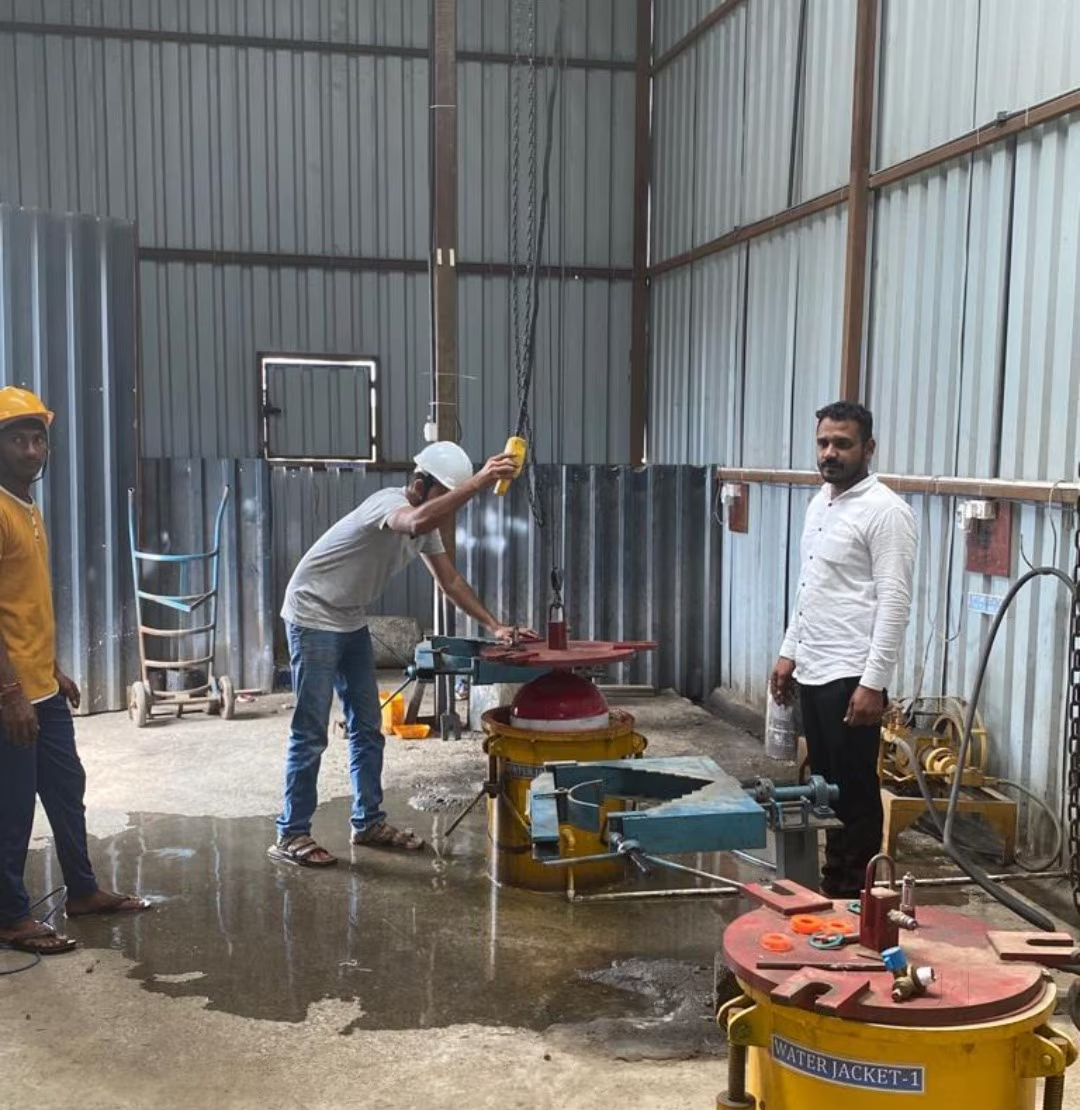
Hydrostatic testing is one of the most reliable methods used to check the safety and strength of CNG cylinders.
The testing process generally includes the following steps:
Cylinder Removal
The cylinder is safely removed from the vehicle by trained technicians.
Visual Inspection
Experts inspect the cylinder surface for dents, scratches, corrosion, or other visible damage.
Hydrostatic Pressure Test
The cylinder is filled with water and pressurized to check for expansion, leakage, or structural weakness.
Valve and Component Check
All valves and related components are inspected to ensure proper functioning.
Certification and Reinstallation
Once the cylinder passes the test, it receives a valid certification and compliance marking, and the cylinder is safely reinstalled in the vehicle.
When Should You Test Your CNG Cylinder?
Most CNG cylinders require testing every three years from the manufacturing or previous testing date. Regular testing helps ensure the cylinder continues to operate safely.
You should also consider testing if you notice:
- Gas leakage smell inside the vehicle
- Reduced mileage
- Visible damage or scratches
- Expired testing validity
- Loose mounting brackets
Ignoring these signs may increase safety risks and affect the performance of your CNG vehicle.
Trusted Type 3 & Type 4 CNG Cylinder Testing in Nanded
For vehicle owners in Nanded, choosing a professional testing center ensures that your cylinder is inspected using proper equipment and certified safety procedures.
Reliable service providers offer:
- Certified hydro testing for composite cylinders
- Complete safety inspection
- Leakage and pressure testing
- Compliance certification
- Professional handling and installation
These services ensure that your Type 3 and Type 4 CNG cylinders remain safe and efficient for long-term use.
Conclusion
Modern CNG vehicles equipped with Type 3 and Type 4 cylinders provide excellent fuel
efficiency and environmental benefits. However, maintaining the safety of these
high-pressure cylinders is extremely important.
Regular cylinder testing helps detect potential issues early, improves vehicle reliability, and
ensures compliance with safety regulations. For CNG vehicle owners in Nanded,
professional testing services play a crucial role in maintaining both vehicle safety and
performance.